In the increasingly competitive landscape of American higher education, students often find themselves grappling with demanding coursework and tight deadlines. This pressure has fueled a significant rise in the utilization of academic support services, including those that offer essay writing assistance. For many students facing overwhelming workloads, the question of «how can I even write my papers without enough?» is a common refrain, leading them to explore options like write my papers write my paper for me write my papers for me online writing service academic writing. While these services promise relief and improved grades, their legal standing and ethical implications within the United States are complex and warrant careful consideration. The legality of essay writing services in the United States is not a straightforward matter of outright prohibition. There is no federal law specifically criminalizing the use or provision of such services. However, their operation exists in a gray area, primarily governed by institutional academic integrity policies and the concept of academic dishonesty. Universities and colleges across the U.S. have stringent honor codes and academic misconduct policies that define plagiarism and contract cheating as serious offenses. While a service provider might not face legal prosecution in a criminal court for offering their services, a student who submits work obtained from such a service as their own is almost certainly violating their institution’s academic policies. This can lead to severe consequences, ranging from failing grades on assignments to suspension or expulsion from the university. The legal challenges often arise not from the act of writing itself, but from the misrepresentation of authorship. For instance, if a service engages in fraudulent practices, such as misrepresenting the originality of their work or engaging in identity theft, they could face legal repercussions. However, the primary battleground for these services remains within the academic sphere. Many institutions are actively working to educate students about the risks and consequences of using these services, and some are even developing technological solutions to detect contract cheating. A recent report by the U.S. Department of Education highlighted the growing concern over academic integrity and the need for institutions to address emerging forms of cheating. Beyond the legal nuances, the ethical implications of using essay writing services are profound and central to the educational experience. The fundamental purpose of academic assignments is to foster critical thinking, research skills, and the ability to articulate ideas effectively. When students outsource this process, they bypass the very learning objectives their education is designed to achieve. This not only undermines their personal academic growth but also devalues the degrees earned by students who complete their work honestly. The prevalence of these services can create an uneven playing field, disadvantaging students who invest the time and effort to develop their own academic capabilities. Consider the case of a student at a prestigious university who relies heavily on essay mills. While they may achieve a high GPA, they may lack the foundational skills necessary for success in their chosen profession. This disconnect between academic performance and actual competency is a significant ethical concern for educators and employers alike. A recent survey indicated that a substantial percentage of college students have considered or used essay writing services, highlighting the pervasive nature of this ethical dilemma. The long-term impact on the integrity of higher education in the U.S. is a subject of ongoing debate and concern among academics and policymakers. Essay writing services operate on a business model that often capitalizes on student desperation and the perceived anonymity of online transactions. These companies typically employ a network of writers, many of whom may be international, to fulfill orders. The quality of work can vary dramatically, and there is no guarantee of originality or adherence to academic standards. Some services may even re-sell pre-written essays, increasing the risk of accidental plagiarism for the student. The financial aspect also raises questions; students are paying for a service that, if discovered, can have severe academic repercussions, making it a potentially costly gamble. Furthermore, the marketing strategies employed by these services can be misleading, often promising high-quality, original work without fully disclosing the ethical compromises involved. For example, a service might advertise «expert writers» and «guaranteed grades» without mentioning that submitting such work constitutes academic misconduct. This lack of transparency can lead students into a situation they may not fully understand until it is too late. A practical tip for students is to always scrutinize the terms of service and understand the potential consequences before engaging with any academic assistance provider. Many legitimate tutoring services exist that focus on skill development rather than direct paper completion, offering a more ethical and beneficial alternative. Addressing the challenge posed by essay writing services requires a multi-faceted approach within the United States. Educational institutions must continue to reinforce the importance of academic integrity through clear policies, educational programs, and open dialogue with students. This includes educating students not only about the risks of contract cheating but also about the value of developing their own academic skills. Universities can also explore more proactive measures, such as implementing advanced plagiarism detection software and fostering a campus culture that celebrates genuine learning and intellectual effort. Beyond institutional efforts, there is a broader societal conversation to be had about the pressures faced by students and the role of education in preparing them for future success. Providing adequate academic support resources, promoting mental well-being, and fostering a supportive learning environment can help alleviate the desperation that drives some students to seek illicit shortcuts. Ultimately, the goal is to cultivate an environment where students understand that the process of learning and earning their academic achievements is as valuable, if not more so, than the final product itself. Encouraging students to seek legitimate help for understanding concepts or improving their writing skills, rather than outsourcing the work entirely, is key to maintaining the integrity of academic pursuits across the nation.The Growing Demand for Academic Assistance
Understanding the Legal Framework in the United States
Ethical Considerations and Academic Integrity
The Business Model and Its Ramifications
Navigating the Future: Promoting Academic Integrity
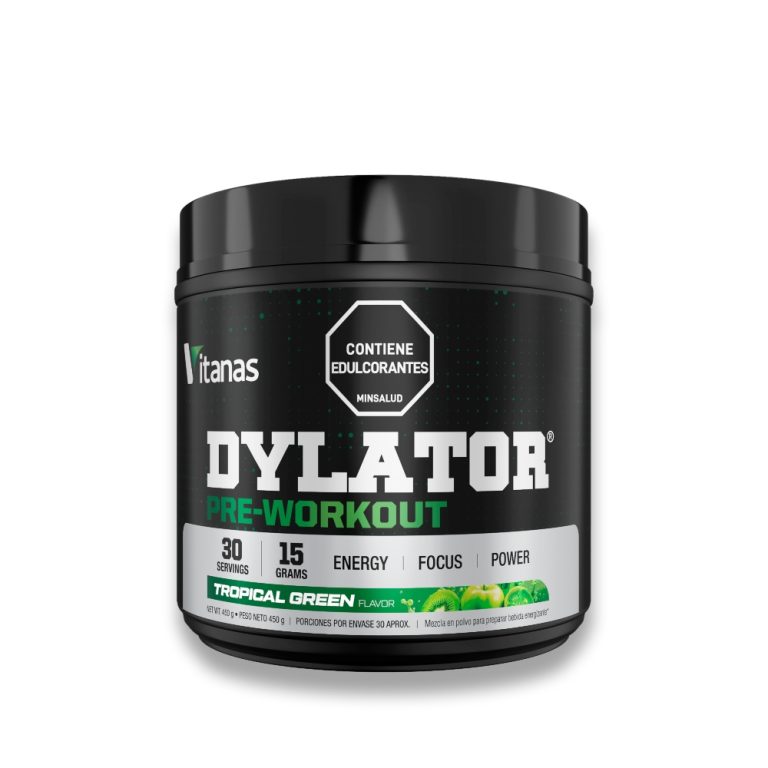
Dylator Pre-Workout - Tropical
$88.000
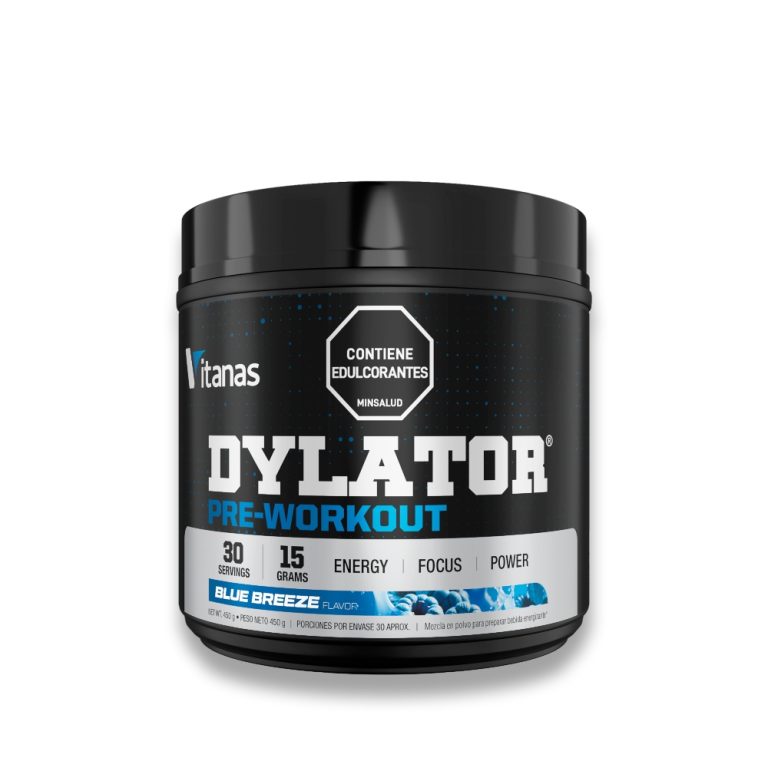
Dylator Pre-Workout - Blue
$88.000

Glutamina en polvo -
$80.000

Dylator Pre-Workout - Fruit
$67.500
