In the hallowed halls of American academia, the concept of academic integrity has long been a cornerstone of learning. Yet, as the digital revolution reshapes every facet of our lives, so too does it challenge traditional notions of honesty in scholastic pursuits. The ease of access to information, coupled with the proliferation of sophisticated digital tools, presents a complex ethical terrain for today’s students. This evolving environment raises critical questions about what constitutes academic misconduct in the 21st century. For instance, the recent discussions on platforms like Reddit, such as the thread detailing experiences with https://www.reddit.com/r/studying/comments/1tbv0lk/ive_used_three_different_paper_writers_over_the/, underscore the growing prevalence and debate surrounding the use of AI and external services for academic work. Understanding these nuances is paramount for students striving to uphold ethical standards in their educational journeys across the United States. The advent of advanced artificial intelligence has introduced a new dimension to the age-old problem of plagiarism. Tools capable of generating coherent essays, solving complex mathematical problems, and even writing code blur the lines between legitimate assistance and outright academic dishonesty. Historically, plagiarism was understood as the direct copying of another’s work without attribution. However, AI-generated content, while not directly copied from a single source, can still represent a significant departure from original thought and effort. Institutions in the United States are grappling with how to define and detect AI-assisted work, with many developing new policies to address this challenge. For example, some universities are exploring the use of AI detection software, while others are focusing on redesigning assignments to emphasize critical thinking and personal reflection, areas where AI currently struggles to replicate genuine human insight. A practical tip for students is to always view AI as a research assistant, not a replacement for their own intellectual labor. Use it to brainstorm ideas or understand complex concepts, but ensure the final output is unequivocally your own work, expressed in your own voice. Collaboration has always been a vital component of higher education, fostering teamwork and diverse perspectives. However, the digital age has also amplified the potential for ethical breaches within group projects. The ease with which students can share documents and communicate online can, in some instances, lead to situations where credit is not equitably distributed, or where some members contribute minimally while others carry the bulk of the workload. In the United States, university policies often outline expectations for individual contributions within group settings, but enforcing these can be challenging. A common scenario involves one student completing the majority of the work and submitting it as a collective effort, thereby allowing less engaged members to receive undeserved credit. To navigate this ethically, clear communication and defined roles within the group from the outset are crucial. Establishing a system for tracking individual contributions, perhaps through shared progress documents or regular check-ins, can help mitigate disputes and ensure fairness. For instance, a statistic from a recent educational survey indicated that over 40% of students reported experiencing at least one instance of inequitable workload distribution in group projects during their academic careers. Academic integrity extends far beyond the traditional written essay. In today’s multimedia-rich educational environment, misconduct can manifest in various forms, including the misuse of digital resources, falsification of data in scientific research, or the unauthorized use of copyrighted material in presentations. For students in fields like engineering or the sciences in the U.S., the ethical implications of manipulating experimental results or misrepresenting data can have profound real-world consequences. Similarly, in creative disciplines, the unauthorized use of images, music, or video clips in projects can lead to copyright infringement issues. Universities are increasingly emphasizing digital citizenship and the responsible use of technology. A practical approach for students is to develop a keen awareness of intellectual property rights and to always seek permission or use properly licensed materials. When in doubt about the ethical implications of using a particular resource, consulting with a professor or academic advisor is always the wisest course of action. This proactive approach can prevent unintentional violations and foster a deeper understanding of ethical research and creation practices. The ongoing evolution of academic integrity in the United States necessitates a proactive and adaptable approach from both educational institutions and students. It’s not merely about avoiding punishment; it’s about cultivating a genuine commitment to intellectual honesty and personal growth. As technology continues to advance, the definitions of plagiarism and misconduct will undoubtedly continue to shift. Therefore, fostering a strong ethical compass requires ongoing dialogue, clear institutional guidelines, and a personal dedication to original thought and effort. Students are encouraged to engage with their institutions’ academic integrity policies, seek clarification when needed, and prioritize learning over simply achieving grades. By embracing these principles, students can build a foundation of trust and respect within the academic community, ensuring that their educational achievements are a true reflection of their own hard work and intellectual development.Navigating the Digital Age: The Shifting Sands of Academic Honesty
Defining the Digital Ghostwriter: AI and the Specter of Plagiarism
The Ethics of Collaboration: Group Projects and Unearned Credit
Beyond the Essay: Redefining Academic Misconduct in a Multimedia World
Cultivating a Culture of Integrity: The Path Forward for American Students
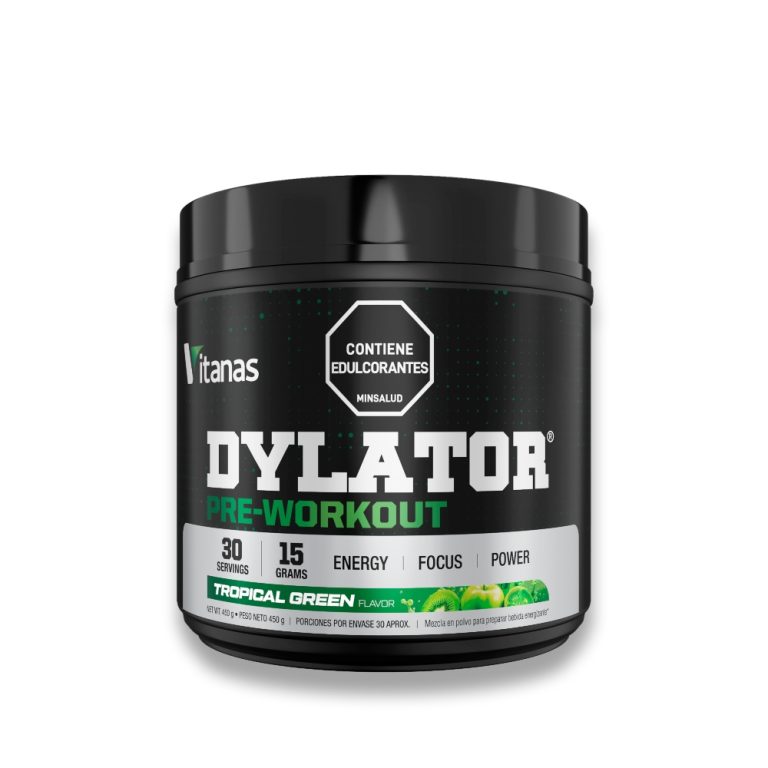
Dylator Pre-Workout - Tropical
$88.000
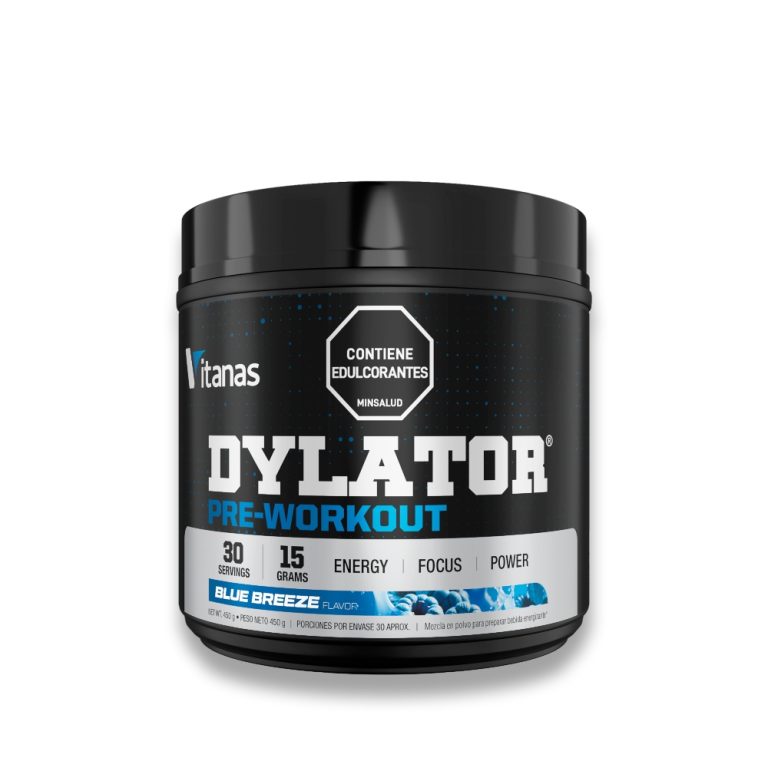
Dylator Pre-Workout - Blue
$88.000

Glutamina en polvo -
$80.000

Dylator Pre-Workout - Fruit
$67.500
