The landscape of education in the United States has dramatically shifted, with online learning becoming not just an alternative, but a cornerstone for many students. Whether you’re pursuing a degree, upskilling for a career change, or simply expanding your knowledge base, the sheer volume of available courses and resources can feel overwhelming. It’s easy to get lost in the digital noise, making it crucial to develop effective strategies for studying and staying on track. If you’re finding it challenging to manage your workload and maintain focus, exploring options like a professional writing service might be a helpful consideration for certain aspects of your academic journey. This digital transformation presents unique opportunities and challenges. On one hand, the accessibility and flexibility of online learning are unparalleled, allowing individuals across the country to pursue educational goals regardless of geographical location or personal commitments. On the other hand, the self-directed nature of online study requires a robust set of skills to thrive. This article aims to provide practical advice and actionable strategies specifically tailored for learners in the United States, helping you conquer the digital deluge and achieve your academic aspirations. Success in online learning hinges on developing a strong set of self-management and digital literacy skills. For students in the US, this often means adapting to platforms and tools that are standard in higher education and professional development. Time management is paramount. With fewer external structures, you become the architect of your own schedule. This involves breaking down large assignments into smaller, manageable tasks, setting realistic daily and weekly goals, and utilizing digital calendars and task management apps. Think of it like planning a road trip across the country – you need to map out your route, schedule stops, and account for potential delays. Many universities now offer workshops or online modules on effective study habits, which are invaluable resources. Beyond time management, digital literacy is key. This includes not only proficiency with learning management systems (LMS) like Canvas or Blackboard but also the ability to critically evaluate online information. In an era of abundant information, discerning credible sources from misinformation is a vital skill. For instance, when researching for a history paper on the Civil Rights Movement, you’ll encounter countless websites. Learning to identify peer-reviewed journals, reputable academic institutions, and government archives over personal blogs or unverified forums is crucial. A practical tip: always check the «About Us» section of a website and look for author credentials to gauge its reliability. Furthermore, effective online communication is essential. This means engaging thoughtfully in discussion forums, crafting clear and concise emails to instructors, and participating actively in virtual group projects. Many US universities emphasize collaborative learning, even in online environments. Understanding netiquette – the etiquette of the internet – will ensure your interactions are productive and respectful. A common statistic in higher education suggests that students who actively participate in online discussions tend to have higher retention rates and better overall course performance. One of the most significant hurdles in online learning, particularly for those accustomed to traditional classroom settings in the US, is the potential for isolation. Without the spontaneous interactions of a physical campus, it’s easy to feel disconnected. To combat this, actively seek out opportunities for connection. Join online study groups, participate in virtual office hours with your instructors, and engage with your peers in course forums. Many universities are implementing virtual student lounges or online clubs to foster a sense of community. Remember, your fellow students are likely facing similar challenges and are often eager to connect. Motivation can also wane when you’re studying from home. It’s important to create a dedicated study space that is free from distractions. This could be a corner of your living room, a home office, or even a local library or coffee shop that offers a conducive atmosphere. Establishing a routine, similar to what you’d have for an in-person class, can significantly boost your productivity. For example, dedicating specific hours each day to coursework, just as you would attend lectures or labs, helps to compartmentalize your time and maintain focus. A helpful strategy is to set small, achievable rewards for completing tasks, such as a short break or a favorite snack, to keep your momentum going. Consider the experience of a student pursuing a Master’s degree online while working full-time. They might schedule their coursework for early mornings before work or late evenings after their family is asleep. This structured approach, combined with the understanding that the effort will lead to career advancement, provides the necessary motivation. A practical tip: regularly remind yourself of your ‘why’ – the ultimate goal you are working towards. Visualizing your success can be a powerful motivator. The United States boasts a wealth of resources for online learners, many of which are often underutilized. Beyond your course materials and instructor support, explore your institution’s online library databases, academic support centers, and career services. Many universities offer free access to a wide range of academic journals, e-books, and research tools that are invaluable for assignments and projects. For instance, if you’re enrolled in an online business program, you’ll likely have access to databases like IBISWorld or Statista, which provide industry reports and market data crucial for case studies. Staying ahead of the curve also means being aware of emerging trends in your field of study and in online education itself. Follow industry leaders on professional networking sites like LinkedIn, subscribe to relevant newsletters, and attend virtual conferences or webinars. Many US-based professional organizations offer student memberships that provide access to exclusive content and networking opportunities. For example, an aspiring software developer might follow tech blogs and participate in online coding challenges to hone their skills beyond their coursework. A practical tip: create a personal learning network (PLN) by connecting with professionals and peers online. This network can provide support, insights, and even potential job leads. Many online courses also offer opportunities for internships or capstone projects that allow you to apply your learning to real-world problems, often in collaboration with US companies. A recent survey indicated that a significant percentage of online learners find their virtual internships to be as valuable as, if not more valuable than, traditional in-person internships due to the flexibility and exposure to remote work environments. Successfully navigating online education in the United States requires a proactive and adaptable approach. By building a strong toolkit of digital literacy and self-management skills, actively combating isolation through connection, and diligently leveraging available resources, you can transform the challenges of virtual learning into opportunities for growth. Remember that online learning is a dynamic field, and continuous learning about effective strategies is part of the journey itself. Embrace the flexibility, stay connected, and remain focused on your goals. Your commitment to mastering these skills will not only enhance your academic performance but also equip you with competencies highly valued in today’s evolving job market. The ability to learn independently, communicate effectively in digital spaces, and manage your time are transferable skills that will serve you well throughout your career. So, dive in, explore, and make the most of your online learning adventure!Navigating the Ever-Expanding Universe of Online Education
Building Your Digital Learning Toolkit: Essential Skills for Success
Combating Isolation and Staying Motivated in a Virtual Classroom
Leveraging Resources and Staying Ahead of the Curve
Cultivating a Thriving Online Learning Experience
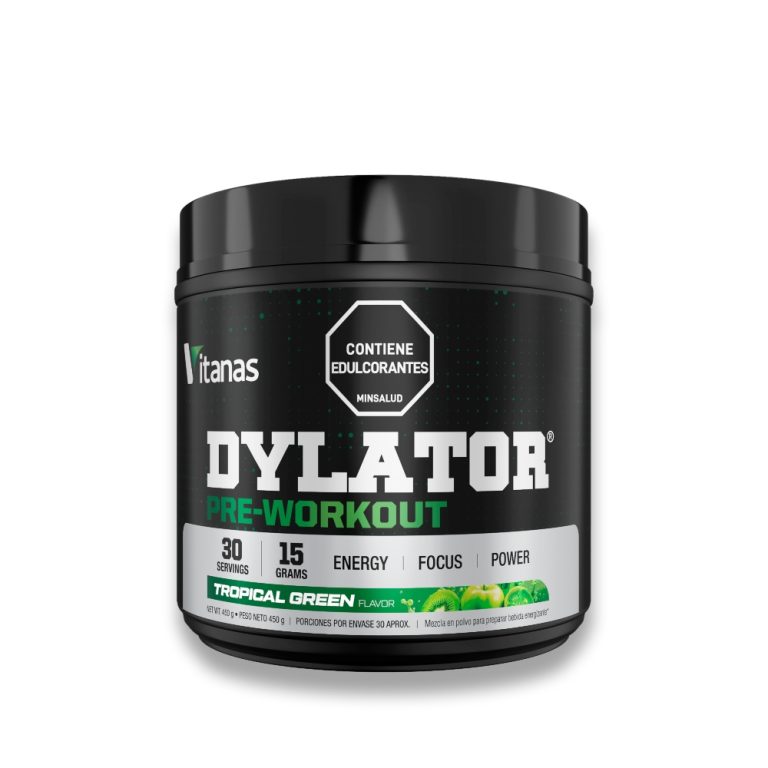
Dylator Pre-Workout - Tropical
$88.000
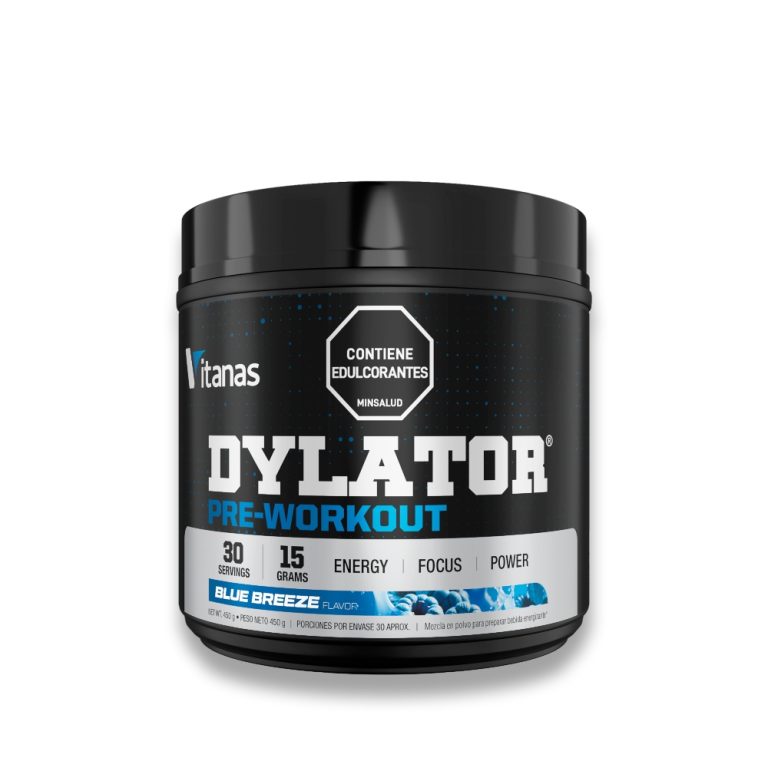
Dylator Pre-Workout - Blue
$88.000

Glutamina en polvo -
$80.000

Dylator Pre-Workout - Fruit
$67.500
