Hey there, savvy shoppers of the United States! Are you tired of drowning in a sea of product specs, endless reviews, and confusing comparisons when you’re trying to make a purchase? You’re not alone. The way we shop and compare products is undergoing a massive transformation, largely thanks to the rapid advancements in Artificial Intelligence (AI). It’s no longer just about scrolling through pages of information; AI is now actively helping us make smarter, faster decisions. This shift is so significant that it’s even making us question the traditional methods we’ve relied on for years. In fact, a fascinating discussion is happening around https://www.bbntimes.com/technology/are-online-reviews-still-relevant-in-the-age-of-ai, exploring whether those once-trusted online reviews still hold their weight in this new AI-driven landscape. One of the most powerful ways AI is changing product comparison is by acting as an incredibly sophisticated feature decoder. Think about it: when you’re looking at a new smartphone, a high-end coffee maker, or even a complex piece of software, the sheer number of technical specifications can be overwhelming. AI tools can now sift through these details, understand the jargon, and translate them into plain English, highlighting what actually matters to you. For instance, instead of just listing «12MP camera with f/1.8 aperture,» an AI might tell you, «This camera takes excellent low-light photos, perfect for capturing memories at concerts or dimly lit restaurants.» This personalized interpretation is a game-changer, especially in the US market where consumers often seek detailed, yet easily digestible, information. Companies are leveraging AI to create dynamic product descriptions that adapt to user queries, offering a more interactive and informative pre-purchase experience. A practical tip: when using AI comparison tools, look for those that allow you to input your specific needs, like «long battery life» or «easy to clean,» to get the most relevant feature highlights. Consider the automotive industry in the US. When comparing two SUVs, AI can instantly pull up data on fuel efficiency, safety ratings from the NHTSA (National Highway Traffic Safety Administration), towing capacity, and even predicted maintenance costs, presenting a side-by-side comparison tailored to your stated priorities. This saves hours of research and ensures you’re not missing crucial details that could impact your long-term satisfaction and budget. For example, an AI might analyze reviews and official reports to tell you that while Car A has a slightly lower sticker price, Car B is projected to have significantly lower insurance premiums and fewer recalls over its lifespan, making it the more economical choice for many American families. Gone are the days of generic «customers who bought this also bought that» suggestions. AI-powered recommendation engines are becoming incredibly adept at understanding individual consumer preferences, purchase history, and even browsing behavior to offer truly personalized product suggestions. This is particularly relevant in the US, a vast and diverse market where individual tastes vary wildly. Whether you’re shopping for fashion on a site like Nordstrom, electronics on Amazon, or even groceries through a delivery app, AI is working behind the scenes to curate a shopping experience that feels tailor-made for you. These systems learn from your interactions – what you click on, what you add to your cart, what you eventually purchase – and refine their suggestions over time. This means fewer irrelevant ads and more discovery of products you’ll genuinely love. For example, if you’ve been researching sustainable fashion brands in the US, an AI might start recommending new eco-friendly clothing lines or ethically sourced accessories that align with your values. Similarly, if you’re a gamer in the US looking for a new console, AI can analyze your past gaming habits to suggest titles you might enjoy, or even peripherals that would enhance your gaming setup. A statistic to consider: studies have shown that personalized recommendations can increase conversion rates by as much as 20-30%. This isn’t just about convenience; it’s about AI helping you discover products that genuinely fit your lifestyle and preferences, saving you time and money by cutting down on impulse buys or purchases you later regret. In the competitive US marketplace, getting the best value for your money is paramount. AI is revolutionizing how consumers can track prices, identify deals, and understand the true value of a product beyond its initial price tag. AI-powered tools can monitor prices across hundreds of retailers in real-time, alerting you when an item you’re interested in drops in price. This is incredibly useful for big-ticket items like electronics, appliances, or even holiday shopping. Beyond just price tracking, AI can also analyze product reviews and specifications to provide a «value score,» helping you understand if a higher-priced item is truly worth the investment due to superior quality, durability, or features. This moves beyond simple price comparison to a more holistic assessment of value. Imagine you’re looking to buy a new laptop for college in the US. An AI tool could not only find the best current price across various online stores but also analyze reviews to flag common issues like poor battery life or keyboard problems for certain models. It might then highlight a slightly more expensive model that consistently receives rave reviews for its build quality and longevity, ultimately offering better long-term value. Many browser extensions and shopping apps now incorporate these AI features, making it easier than ever to make informed decisions. A practical tip: utilize price tracking features offered by major retailers or third-party apps. Set alerts for products you’re considering, and let AI do the heavy lifting of monitoring for price drops. The integration of AI into product comparison is not just a trend; it’s the future of how we’ll shop. From deciphering complex specs to offering hyper-personalized recommendations and ensuring we get the best bang for our buck, AI is empowering consumers in the United States like never before. As these technologies continue to evolve, we can expect even more sophisticated tools that make shopping more efficient, enjoyable, and ultimately, more successful. The key is to embrace these tools, understand their capabilities, and use them to your advantage. Don’t be afraid to experiment with different AI-powered shopping assistants and comparison platforms to find the ones that best suit your individual needs and shopping style. By leveraging AI, you can transform your shopping experience from a chore into a streamlined, informed, and rewarding process, ensuring you always make the smartest choices for your needs and budget.Your New AI-Powered Shopping Buddy
AI: The Ultimate Product Feature Decoder
Personalized Recommendations That Actually Get You
AI-Driven Price and Value Analysis
Navigating the Future of Smart Shopping
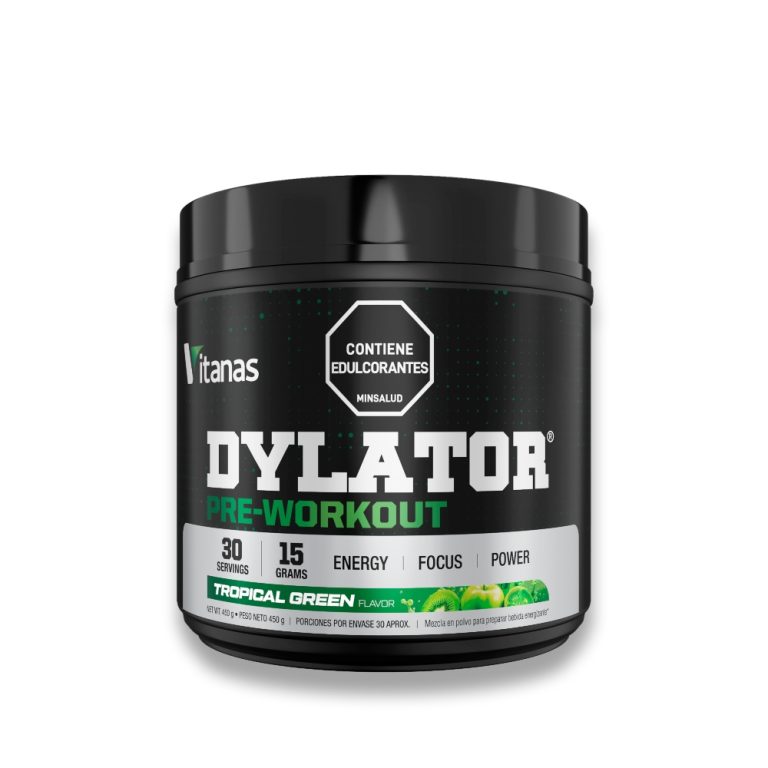
Dylator Pre-Workout - Tropical
$88.000
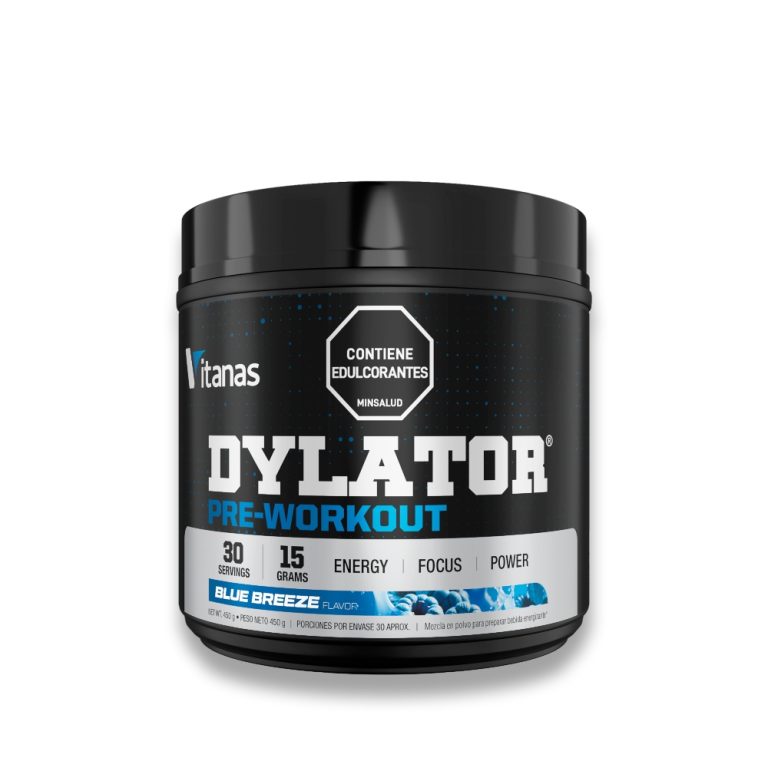
Dylator Pre-Workout - Blue
$88.000

Glutamina en polvo -
$80.000

Dylator Pre-Workout - Fruit
$67.500
