In today’s hyper-connected world, the lines between convenience and consequence can blur, especially when it comes to academic pursuits. Many students grapple with tight deadlines and challenging assignments, leading some to explore external assistance. This often brings up questions about the privacy and security of the personal data they share with these services. It’s a topic that’s increasingly on people’s minds, with discussions popping up across various platforms, like this intriguing thread on Reddit: https://www.reddit.com/r/CollegeAdmissions/comments/1u4qwgi/has_anyone_actually_used_a_paper_writer_and/. Understanding how these services handle your sensitive information is crucial, particularly for students in the United States who are subject to specific data protection principles. When you engage with an essay writing service, you’re likely to share more than just your assignment details. Typically, these platforms will request your name, email address, phone number, and payment information. Some might even ask for your university or course details to better tailor the service. The critical question is what happens to this data after the transaction. Reputable services should have clear privacy policies outlining how they store, use, and protect your information. However, the reality can be a mixed bag. Data breaches are a constant threat in the digital landscape, and academic service providers are not immune. Imagine your personal details falling into the wrong hands – it could lead to identity theft, spam, or even targeted phishing attempts. For instance, a study by the Identity Theft Resource Center in the U.S. consistently shows a rise in data breaches, highlighting the pervasive risk. Practical Tip: Always look for a «Privacy Policy» link on the service’s website, usually found in the footer. Read it carefully, paying attention to how your data is stored and if it’s shared with third parties. If a policy is vague or non-existent, it’s a significant red flag. In the United States, data privacy isn’t governed by a single, overarching federal law like Europe’s GDPR. Instead, it’s a patchwork of federal and state regulations. For essay writing services, key considerations often fall under general consumer protection laws and, more specifically, state-level privacy statutes like the California Consumer Privacy Act (CCPA) or the California Privacy Rights Act (CPRA). These laws grant consumers more control over their personal information, including the right to know what data is collected, the right to request deletion, and the right to opt-out of the sale of their data. While these laws primarily target businesses operating within or serving residents of those states, they set a precedent and influence best practices across the industry. Understanding these rights can empower you as a consumer. If a service operating in the U.S. fails to adhere to reasonable data protection standards, there may be recourse, though navigating legal avenues can be complex. Example: If an essay service based in California collects your data and doesn’t provide clear opt-out mechanisms for data sharing, they could be in violation of CCPA/CPRA, impacting their ability to operate legally within the state and potentially facing penalties. The privacy concerns extend beyond just the initial data collection. How securely is your data stored? Are the servers protected against hacking? What happens to your information after the service is rendered? Some services might retain your data for an extended period, increasing the risk of exposure. Furthermore, there’s an ethical dimension to consider. While this article focuses on data privacy, it’s worth noting that using essay writing services for academic work can have serious academic integrity implications, potentially leading to disciplinary action from your educational institution. However, focusing solely on the data aspect, the security measures employed by these services are paramount. A service that doesn’t invest in robust cybersecurity is essentially leaving your personal information vulnerable. This includes encryption, secure payment gateways, and regular security audits. Without these, your data is at risk of being compromised, leading to potential financial or identity fraud. Statistic: According to IBM’s 2023 Cost of a Data Breach Report, the average cost of a data breach in the U.S. reached $9.48 million, underscoring the significant financial and reputational damage such incidents can cause, which can indirectly affect the security practices of companies you interact with. Given the potential risks, taking a proactive approach to safeguarding your personal data when using any online service, including essay writing platforms, is essential. Start by thoroughly researching the service’s reputation. Look for reviews that specifically mention their privacy practices or any reported security issues. As mentioned earlier, scrutinize their privacy policy. If it’s unclear or seems insufficient, consider it a warning sign. When providing information, only share what is absolutely necessary. For payment, always use secure methods and ensure the website uses HTTPS. Creating a strong, unique password for your account with the service is also a good practice. Consider using a secondary email address for such services to compartmentalize potential spam or phishing attempts. Ultimately, the responsibility lies with both the service provider to implement strong security measures and with you, the user, to be informed and cautious about the digital footprint you leave behind. The world of online academic assistance presents a complex landscape where convenience can sometimes overshadow crucial privacy and security considerations. For students in the United States, understanding the types of data collected by essay writing services, the relevant legal frameworks governing data protection, and the inherent security risks is paramount. By being diligent in your research, carefully reviewing privacy policies, and taking proactive steps to protect your personal information, you can navigate this digital terrain more safely. Remember, your data is valuable, and its protection should be a priority, just as much as the academic integrity of your work. Choose services that demonstrate a clear commitment to transparency and robust security practices, ensuring your personal details remain secure.The Shifting Sands of Academic Integrity and Your Personal Information
Unpacking the Data Trail: What Information Do Essay Services Collect?
The Legal Landscape: Data Protection in the United States
Beyond the Transaction: Security Risks and Ethical Considerations
Empowering Yourself: Proactive Steps for Data Protection
Making Informed Choices in the Digital Academic Landscape
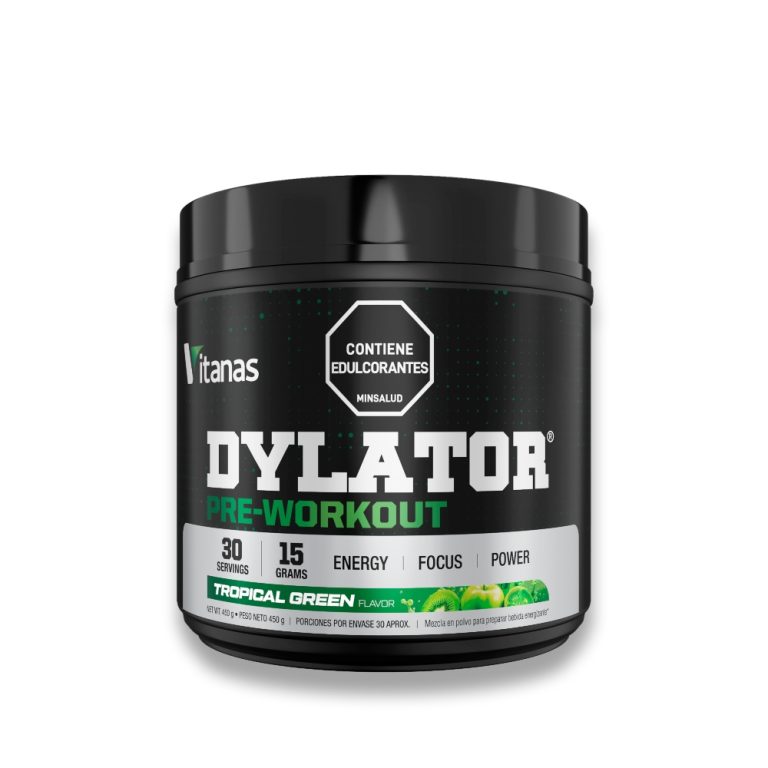
Dylator Pre-Workout - Tropical
$88.000
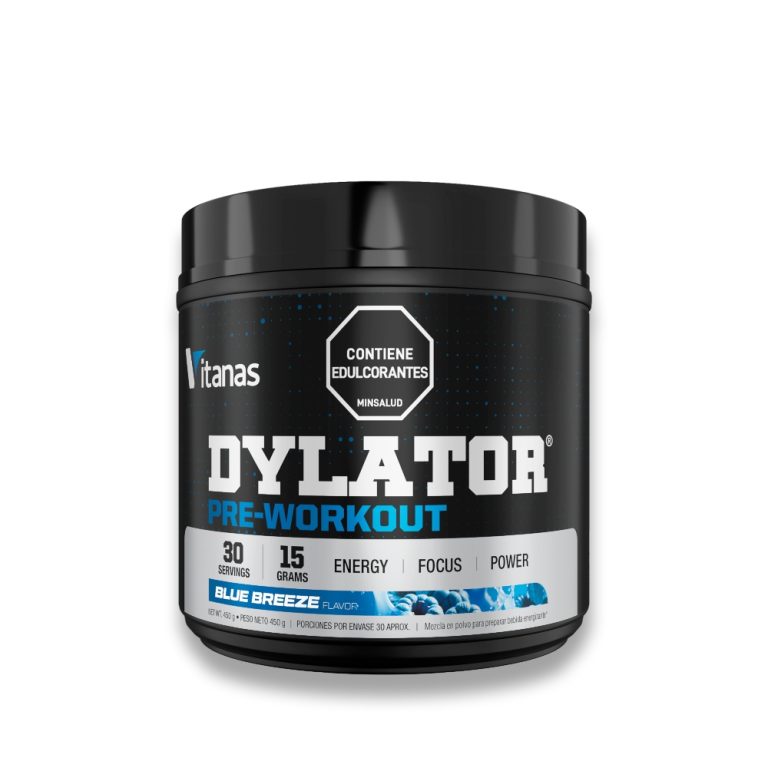
Dylator Pre-Workout - Blue
$88.000

Glutamina en polvo -
$80.000

Dylator Pre-Workout - Fruit
$67.500
