The Allure of the Casino Environment
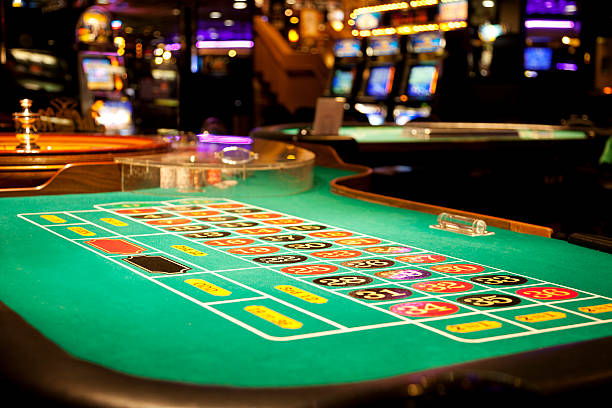
Casinos are meticulously designed environments that tap into fundamental human desires for excitement, reward, and social interaction. The bright lights, the sounds of slot machines, and the palpable buzz of activity all contribute to an atmosphere of anticipation. This sensory overload is not accidental; it’s engineered to heighten emotional states and encourage engagement with the games on offer. The very architecture and layout are often planned to disorient players slightly, keeping them immersed and less inclined to leave. Understanding the psychology of casino games can be as fascinating as playing them, and for those interested in exploring this further, resources like chicken road games can offer unique perspectives.

This carefully curated ambiance plays a significant role in the psychology of gambling. It creates a sense of escapism from everyday life, a temporary world where fortunes can change in an instant. The perceived anonymity and the focus on the immediate thrill of the game can also lower inhibitions, making individuals more susceptible to the persuasive nature of the casino experience. Understanding these environmental triggers is the first step in appreciating the psychological landscape of a casino.
Understanding the Psychology of Winning and Losing
The perception of winning and losing in a casino is heavily influenced by cognitive biases. The «near miss» phenomenon, where a player almost hits the jackpot but doesn’t quite, can be incredibly compelling, encouraging them to play again in the hope of the next ‘almost’ becoming a real win. This is often coupled with the availability heuristic, where vivid memories of big wins (whether personal or observed) can overshadow the statistical reality of frequent losses.
Furthermore, the concept of «chasing losses» is a powerful psychological driver. When players lose money, the urge to win it back can become overwhelming, leading them to increase their bets or play for longer periods. This is often driven by a desire to regain control and restore a sense of equilibrium. The intermittent reinforcement schedule of casino games, where wins are unpredictable and irregular, is highly effective at maintaining behavior, making it difficult to disengage even when the odds are not in one’s favor.
The Role of Dopamine and Reward Pathways
The thrill of a casino win, even a small one, triggers the release of dopamine in the brain. Dopamine is a neurotransmitter associated with pleasure, reward, and motivation. This neurochemical response creates a powerful feedback loop: the anticipation of a win, the win itself, and the subsequent dopamine rush all reinforce the behavior, making the player want to repeat the experience. This is similar to how other addictive behaviors are reinforced.
It’s important to recognize that the brain’s reward system can be hijacked by the unpredictable nature of casino games. The anticipation of a potential payout, even if it’s statistically unlikely, is enough to activate these pathways. This constant seeking of the next dopaminergic hit can lead to a cycle where players become more focused on the act of playing and the possibility of reward rather than the actual outcome or the money at stake.
Cognitive Biases and Decision-Making at the Casino
Several cognitive biases significantly impact how individuals make decisions within a casino setting. The gambler’s fallacy, for instance, is the mistaken belief that if something happens more frequently than normal during some period, it will happen less frequently in the future, or that if something happens less frequently than normal during some period, it will happen more frequently in the future. This can lead players to make irrational bets based on past outcomes, rather than the independent probabilities of each game.
Another common bias is the illusion of control, where players believe they can influence the outcome of games that are purely based on chance. This might manifest as specific rituals or betting patterns that are thought to bring good luck. Additionally, confirmation bias can lead players to focus on their wins and dismiss or downplay their losses, reinforcing their belief in their own strategies or luck, further entrenching their engagement with the casino.
Navigating Casino Psychology with a Trusted Platform
Understanding the psychological intricacies of casino gaming is crucial for responsible enjoyment. Platforms like the one described in the context aim to streamline the user’s experience by focusing on intuitive design and offering access to curated content that can help players make more informed decisions. The goal is to empower users by providing them with resources and tools that foster a more controlled and potentially rewarding engagement with casino games.
By offering a supportive environment and highlighting key features that promote awareness, these platforms help users achieve greater clarity and a more strategic approach. Discover how focusing on the psychology behind the games, combined with the resources provided, can lead to enhanced decision-making and a more satisfying casino experience. The emphasis is on providing a foundation for users to achieve greater efficiency and a deeper understanding of their gaming habits.


